

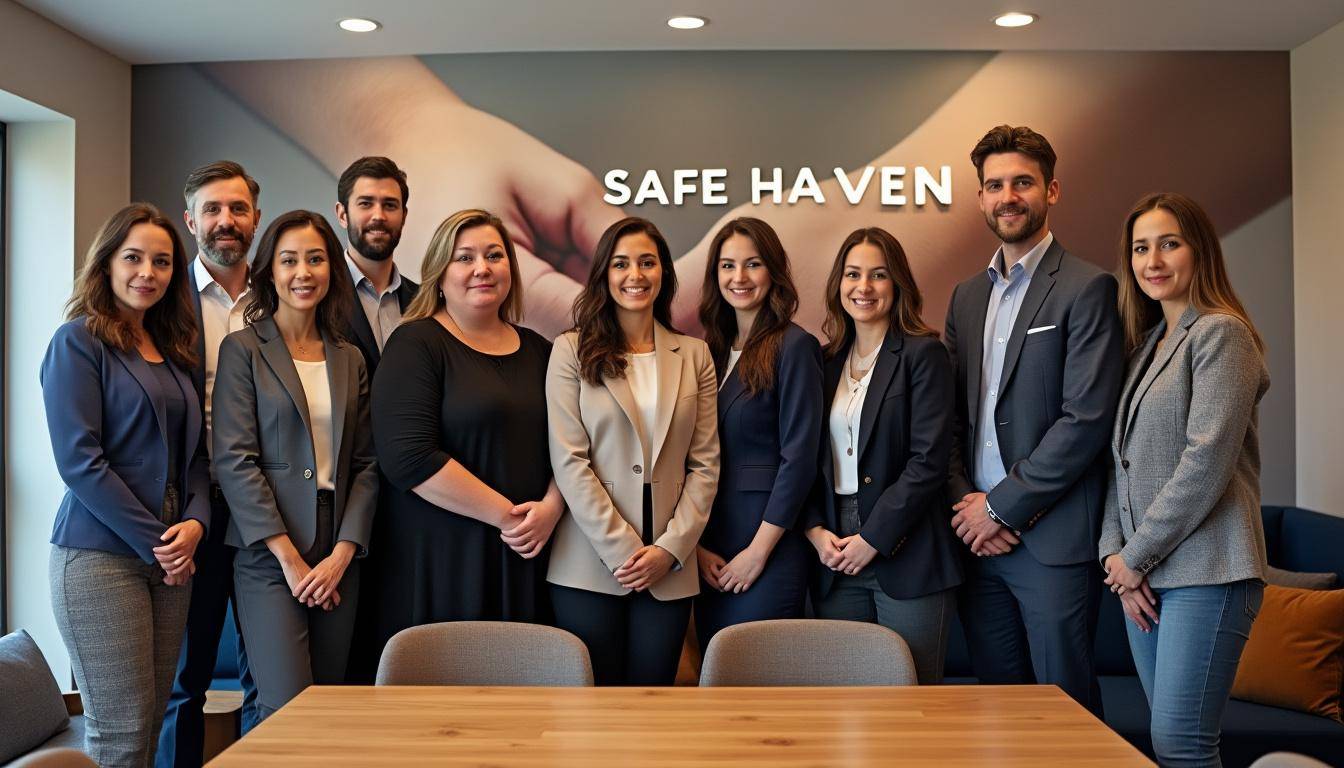
The Domestic Violence Shelter in Mansfield has released a formal Announcement of a refreshed Leadership Team and newly elected Board Members, a development that signals both continuity and strategic renewal for one of Ohio’s earliest shelters. The organization’s governance now includes experienced professionals from human resources, finance, higher education administration, banking operations and marketing. That mix places emphasis on fiscal stewardship, operational efficiency and expanded outreach — core priorities for a nonprofit designed to deliver immediate Safety and long-term recovery pathways for survivors.
What follows is an in-depth exploration of how these leadership changes map to service delivery, advocacy priorities and the shelter’s role within a broader ecosystem of community partners. Drawing on practical examples, governance best practices, and a fictional thread centered on a survivor-advocate named Maya who interacts with the Shelter’s services, this series of sections examines governance strategy, new board member contributions, programmatic capacity, advocacy and accountability. Each section parses a different dimension of the Announcement, offering concrete suggestions and context relevant to funders, volunteers, policymakers and residents seeking to understand the operational and strategic implications of this leadership transition.
Board Leadership Change And Strategic Implications For The Shelter
The election of Alicia Bailey as board president marked a pivotal moment in the Shelter’s governance. With her background as director of human resources and finance at the Richland County Board of Developmental Disabilities, Bailey brings both fiscal oversight experience and human-centered leadership skills to the role. For a nonprofit that operates emergency housing and multi-service programs, having a president who understands budget cycles, compliance and workforce strategy is a significant asset.
Governance And Financial Oversight
A primary duty of the board president is to ensure that financial controls and strategic budgeting align with service priorities. In practical terms this includes instituting multi-year budgets, stress-testing revenue scenarios and establishing transparent financial reporting to donors and local stakeholders. For example, a shelter of this size — more than 10,000 square feet with multiple program lines — benefits from quarterly financial dashboards that track operating reserves, grant expenditures and program-specific cost per client.
Beyond spreadsheets, governance is about people. Effective boards set clear role boundaries between volunteer directors and staff leadership. In this Shelter’s case, the executive director continues to run day-to-day operations while the board focuses on policy, fiduciary oversight and strategic partnerships. That separation helps protect program integrity and ensures accountability to survivors using the services.
Operational Priorities Under New Officers
Other officers elected — Becky Harlan as vice president, with her background in bank operations; Kendra Boggs as treasurer, experienced in student financial aid systems; and Susan Gentille as secretary, bringing marketing and development skills — create a complementary leadership mix. Their combined expertise suggests an operational emphasis on streamlined processes, diversified revenue strategies and stronger community messaging.
Practical initiatives likely to follow include improved donor stewardship plans, adoption of clearer operational KPIs and investments in volunteer management systems. For instance, a vice president with banking operations expertise can help the Shelter modernize payment processing for fundraising events, while a treasurer with higher education financial aid experience can guide scholarship-like support models for survivors pursuing education.
Case Example: Board-Led Fund Resiliency Planning
Consider a scenario where local grant revenue dips unexpectedly. The board, led by Bailey, might activate a resilience plan that re-prioritizes spending, reallocates restricted funds for immediate crisis needs, and launches a targeted community appeal. This coordinated response reduces service disruption and keeps the Shelter’s Safety focus intact. Such planning is not theoretical: similar playbooks have been used by urban shelters in New York and Columbus to survive revenue shocks while maintaining uninterrupted services.
Finally, the board transition is an opportunity to strengthen bylaws, refresh conflict-of-interest policies and expand committee structures to include finance, governance, and community engagement committees. Those structural changes will make oversight more robust and demonstrate to funders and the public that the Shelter is committed to transparent, accountable leadership. This structural clarity is the backbone of trust that sustains nonprofit organizations.
Key insight: Strategic leadership appointments combine operational know‑how and community credibility, enabling the Shelter to protect immediate services while planning for long‑term sustainability.
New Board Members Strengthen Financial And Community Outreach Capacity
The announcement welcoming two new board members — Sonya Morgan, owner of a regional building services firm, and Luke M. Wendling, a fiscal specialist — reflects a deliberate effort to expand both operational resilience and public engagement. Morgan’s entrepreneurial background in facilities management and events planning complements Wendling’s skills in finance, human resources and public policy. For a shelter that must manage physical infrastructure and complex service delivery, this combination is highly practical.
Translating Skills Into Service Improvements
New board members often serve as conduits between the Shelter and the community. Morgan’s experience in event planning, for instance, can translate into more effective fundraising galas, community awareness events and capital campaigns to support facility upgrades. A successful campaign might repurpose underused space into trauma-informed counseling suites, increasing the scope of on-site services without requiring new construction.
Wendling’s background in fiscal management and advocacy can strengthen grant applications, improve program budgeting and enhance compliance reporting. His experience in communications and policy also positions the board to engage local officials on systemic issues such as housing or legal protections for survivors.
Community Outreach And Advocacy Roles
Board members play a central role in community outreach. They open doors to business networks, faith communities and campus partners, and they amplify the Shelter’s voice in local policy discussions. For example, mobilizing corporate partners to fund a 24/7 crisis hotline or to provide pro bono legal clinics can materially expand support services at low marginal cost.
To illustrate, imagine Maya, a survivor introduced earlier, who needed immediate relocation and legal advocacy. Morgan’s event network secured emergency grants to cover relocation costs, while Wendling’s policy contacts expedited a local legal assistance referral. This coordinated effort exemplifies how board networks directly translate into improved survivor outcomes.
New board members also bolster volunteer recruitment and governance transparency. By participating in outreach events and public forums, they can demystify the Shelter’s services, dismantle stigma and invite community leaders to adopt survivor-focused practices in their own organizations.
Key insight: Targeted board recruitment fills operational gaps while expanding the Shelter’s capacity for advocacy and strategic partnerships, turning leadership into direct benefit for program delivery.
Operational Scale, Support Services And Survivor-Centered Care
The Shelter’s operational footprint and service array position it as a central safety net in its region. Originally established in 1978 as one of the first three shelters in Ohio, it has matured into a facility with more than 10,000 square feet and 16 client rooms, offering capacity to serve up to 48 people at once. Such scale requires disciplined program management, clear intake protocols and robust volunteer coordination.
Service Offerings And Day-to-Day Delivery
The Shelter’s services extend well beyond emergency housing. Core offerings include a 24-hour crisis hotline, case management, legal advocacy, sexual assault services, children’s programming, human trafficking support, campus advocacy and volunteer-driven response initiatives. Each service requires specialized staff training and coordinated referral pathways to hospitals, law enforcement and community partners.
- 24-hour crisis hotline: Immediate response and safety planning.
- Case management: Long-term goal setting, housing and employment support.
- Legal advocacy: Restraining orders, court accompaniment and legal referrals.
- Children’s programming: Trauma-informed activities and counseling.
- Human trafficking support: Identification, safety planning and partner referrals.
Each of these services reduces barriers that survivors face when trying to rebuild safety and stability. For example, legal advocacy can be the difference between a survivor regaining custody of a child or remaining in a dangerous situation. Children’s programming helps interrupt cycles of intergenerational trauma by offering stability and therapeutic support.
Data And Performance: 2025 Metrics
Concrete performance data from 2025 illustrates the Shelter’s reach and intensity of services. The organization provided significant numbers of nights of shelter and engaged in hospital and hotline advocacy that underscore ongoing community demand.
| Metric | 2025 Total | Notes |
|---|---|---|
| Nights of Safety | 10,245 | Combined shelter nights for survivors, children and pets. |
| Individuals Served | 281 | Includes adults, children and dependents. |
| Crisis Hotline Calls | 500+ | Immediate crisis triage and safety planning. |
| Hospital Bedsides | 169 | Advocacy for sexual assault survivors, including children and adults. |
Those figures reflect both acute need and the Shelter’s capacity to respond. They also inform resource allocation decisions: high hotline volume may justify investment in expanded call center hours, while hospital bedside numbers argue for continued on-call advocacy staffing.
Key insight: Operational scale and diverse service lines require deliberate resource allocation; performance metrics provide the evidence base for funding and programmatic adjustments that safeguard survivor-centered care.
Advocacy, Community Outreach And Partnerships In 2026
As communities navigate evolving policy landscapes in 2026, shelters must be nimble advocates and partnership builders. The Shelter’s accreditation by the Ohio Alliance to End Sexual Violence signals a commitment to professional standards and trauma-informed practices, which in turn strengthens its credibility when pursuing collaborative contracts and public funding.
Strategic Community Outreach
Community outreach is not simply promotional — it is a strategic lever for early intervention. Campus advocacy programs, for example, build awareness among young adults and create reporting pathways that can prevent escalation. Collaboration with local hospitals ensures that sexual assault survivors receive timely forensic exams and advocacy. Building relationships with faith-based organizations and employers can create safe exit plans and employment pathways for survivors.
One practical approach is the creation of task-specific coalitions: a hospital advocacy coalition, a campus safety partnership and a business community advisory board. Each coalition meets quarterly to align referral protocols and share data trends, which helps close gaps in service delivery.
Fundraising And Sustainability
Fundraising in 2026 requires diversified strategies: grants, individual giving, corporate sponsorships and earned income through social enterprise models. Board members with fundraising and marketing experience can open doors for multi-year commitments. For instance, a partnership with a local business to sponsor children’s programming lowers operating costs and binds community stakeholders to outcomes.
Partnerships also enable non-monetary contributions, like pro bono legal services or donated professional space for counseling. These arrangements free up cash for direct survivor services and expansion of the Shelter’s Support Services.
Key insight: Effective advocacy and community outreach translate public awareness into tangible partnerships and sustainable funding that expand survivor options and institutional resilience.
Measuring Impact, Accountability And The Path Forward For Nonprofit Safety Nets
Accountability is core to sustaining public trust. The Shelter’s metrics and accreditation status provide a framework for measuring impact. Yet measurement must go beyond output counts to capture outcomes such as long-term housing stability, reductions in recidivism of abuse and improvements in survivors’ economic self-sufficiency.
Governance, Metrics And Transparency
Good governance demands regular reporting on both financial health and program effectiveness. This includes publishing annual impact reports with outcome indicators and clear narratives about how board decisions affect survivors. For donors and public funders, transparent reporting reduces risk and encourages investment.
Boards can adopt a balanced scorecard approach: financial sustainability, service quality, community engagement and internal capacity. Each quarter the board reviews this scorecard and ensures corrective action plans are implemented where indicators drift.
Practical Steps For The Next Phase
Concrete next steps for the Shelter include expanding community education programs, investing in workforce development for case managers, and building an endowment to bridge funding gaps. The board may consider a capital campaign to modernize facilities or repurpose space for therapeutic services.
To connect residents to regional resources, the Shelter’s public communications can link to curated local guides. For example, community partners and residents can consult regional directories and support resources, such as the online hub for county-level assistance: local abuse support resources. Program coordinators may reference the same link within intake kits under a different label, such as county abuse support guide, to ensure accessibility across audiences.
Finally, the human thread of Maya’s story illustrates the Shelter’s impact: immediate shelter, legal advocacy that secured a restraining order, and a path to stable work through a partner employer. Her progress underscores how governance, skilled staff and community partnerships intersect to produce real-life safety and recovery.
Key insight: Long-term impact depends on measurable outcomes, transparent governance and strategic investments that turn board-level decisions into sustainable survivor-centered services.